
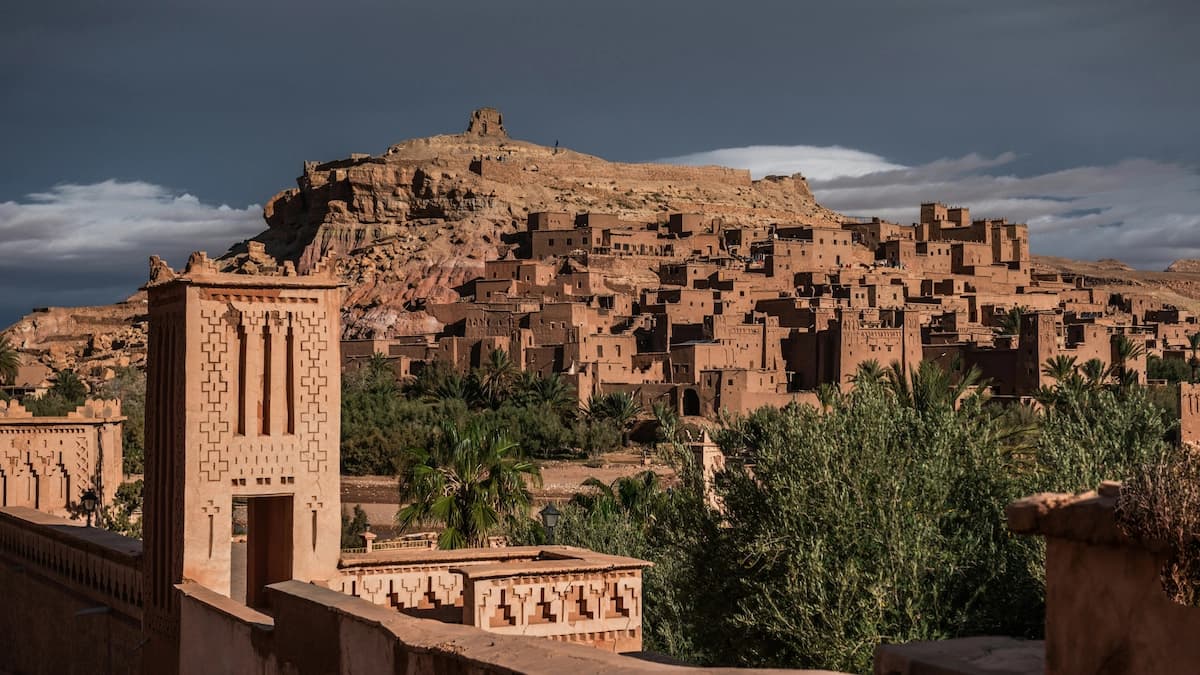
Aït Ben Haddou: A Timeless Fortress of Southern Morocco – Travel Guide
Aït Ben Haddou (also spelled Aït Benhaddou) is one of Morocco’s most iconic ksar settlements, located along the historic trade routes connecting the Sahara Desert to Marrakech. Known as a UNESCO World Heritage site, it attracts travelers from around the world eager to explore its ancient architecture and cinematic history. This guide will help you understand its history, explore its layout, and plan your visit with practical tips.
Where is Aït Ben Haddou? Located in southern Morocco, Aït Ben Haddou sits along the Morocco trail between Marrakech and Ouarzazate. Travelers can reach it via car, guided tours, or part of a multi-day desert trek. The ksar overlooks the Ounila Valley, offering panoramic views and easy access to nearby historical sites.
How old is Aït Ben Haddou? Most historians trace Aït Ben Haddou’s history to the 17th century, though fortified earthen villages existed in the region long before that. During its peak, it functioned as a fortified communal village where families lived together for protection and cooperation. Within its defensive walls, residents relied on narrow alleyways for shade, storage areas for food, defensive towers to monitor the valley, and a central mosque for communal life.
Over time, families gradually relocated to the newer village across the river. In recognition of its cultural importance, Aït Ben Haddou was declared a UNESCO World Heritage site in 1987, and restoration efforts continue using traditional techniques to preserve the authenticity of the ksar.
Aït Ben Haddou is internationally famous as a filming location, thanks to its well-preserved medieval ambiance. It has hosted scenes from Gladiator, Lawrence of Arabia, The Mummy, Kingdom of Heaven, Prince of Persia, and Game of Thrones, making it a bucket-list destination for movie lovers and travelers alike.
Visitors can explore Aït Ben Haddou along the Morocco trail, walking across the shallow river and following the winding pathways to the granary at the top. When visiting, wear comfortable shoes for uneven pathways, plan your trip early in the morning or late afternoon to avoid crowds, bring water and sun protection, and respect local customs as well as the privacy of the families still living in the ksar. Highlights include the granary with panoramic valley views, restored Amazigh homes showcasing traditional southern Moroccan lifestyles, narrow alleyways, defensive towers, and small courtyards. The best time to visit Aït Ben Haddou is during the cooler months from October to April, when temperatures are comfortable for walking and photography, while summers can be extremely hot, especially for trekking along the trail.
If you’re interested in visiting Aït Ben Haddou, join a tour with Nomad Morocco Travel. Explore the historic village, enjoy panoramic valley views, and make your Moroccan adventure unforgettable—book your tour today!