
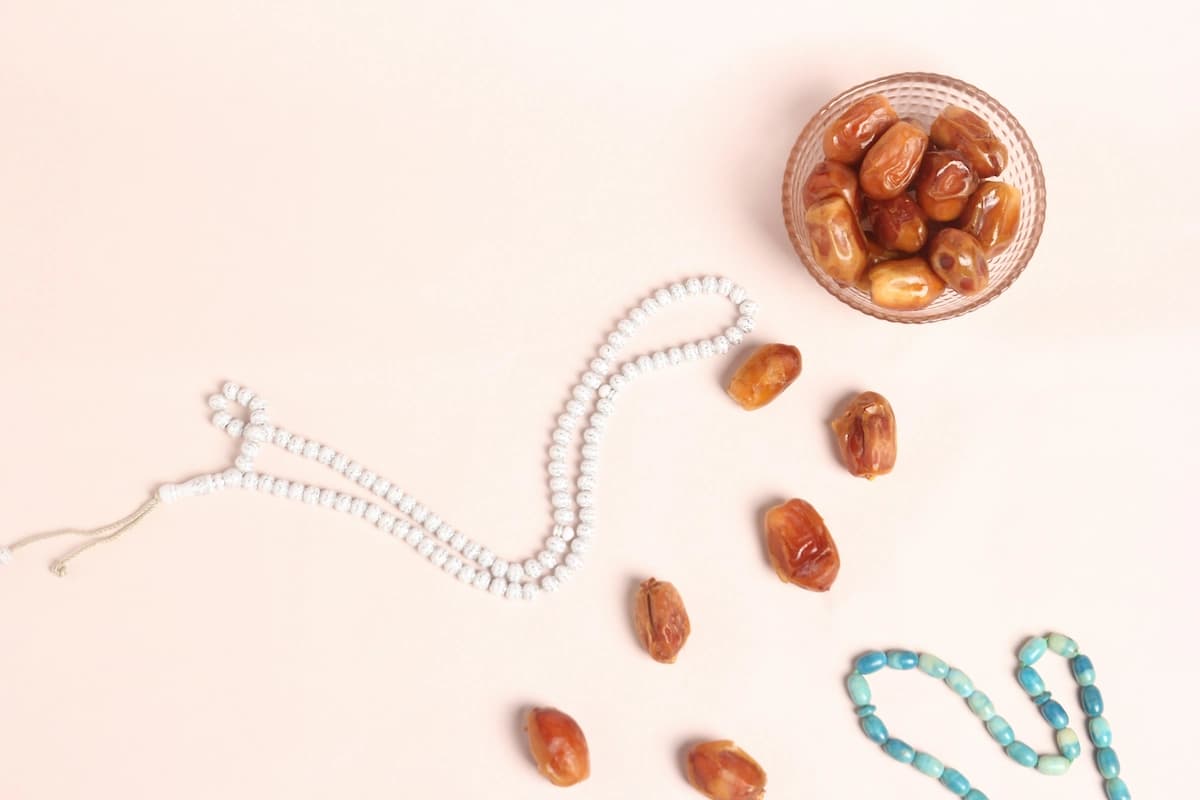
As Ramadan approaches, Morocco prepares for one of the most meaningful and culturally immersive periods of the year, when daily life across the kingdom gently shifts toward spirituality, community, and tradition. Far from slowing down, cities and medinas become more animated, with lively markets, extended bakery hours, and the familiar scents of spices and freshly prepared foods filling the streets.
Central to Ramadan in Morocco is its rich culinary heritage. Each evening at sunset, families gather for iftar, beginning with dates and milk, followed by iconic dishes such as harira soup, chebakia pastries, sellou, etc. These foods are deeply symbolic, reflecting regional diversity and long-standing traditions passed down through generations, while also supporting local artisans and small vendors for whom Ramadan is an important economic season.
Restaurants, riads, and hotels—especially in cities like Marrakech, Fes, Rabat, and Essaouira—adapt by offering special iftar menus and cultural experiences, making Moroccan cuisine accessible and authentic for visitors. After sunset, cities take on a new energy, with late-night cafés, family strolls, and lively public spaces creating a warm, communal atmosphere that contrasts with the daytime calm.
For travelers, Ramadan in Morocco is an opportunity for respectful observation rather than restriction. Tourist services continue with adjusted schedules, and many visitors find the experience more intimate and meaningful, rooted in generosity, patience, and shared moments. The customs practiced during the month highlight Morocco’s cultural continuity and living heritage.
As Ramadan 1447 AH approaches (expected from mid-February to mid-March 2026), Moroccan authorities are closely monitoring food supplies and prices to ensure affordability and availability. This season also follows a winter marked by heavy rainfall and snowfall in some regions, replenishing dams and helping to end a prolonged drought—adding a renewed sense of optimism as the country enters this sacred month.